November 11, 2026

When should you visit New Zealand? The answer depends on far more than the weather. Discover how to choose the perfect time for your journey, with expert advice from New Zealand In Depth.
New Zealand is one of those rare destinations that offers something extraordinary in every season.
From the long, sun-filled days of summer to the golden landscapes of autumn, the snow-covered mountains of winter and the fresh colours of spring, the country changes dramatically throughout the year.
But if you're planning a once-in-a-lifetime New Zealand holiday, there's an important question to consider.
When is the best time to visit New Zealand?
It's one of the questions we're asked most frequently at New Zealand In Depth, and our answer is rarely as simple as recommending a particular month.
That's because the best time to visit New Zealand depends entirely on the holiday you want to experience.
Are you dreaming of exploring dramatic landscapes on a leisurely self-drive journey? Would you prefer warm weather, spectacular coastal scenery and time spent outdoors? Perhaps you're interested in wildlife, exceptional food and wine, luxury accommodation or discovering the country's extraordinary cultural heritage.
You might have three weeks to explore both islands, or a shorter window in which every day needs to count.
Your interests, available time, preferred pace and expectations should all influence when you travel.
At New Zealand In Depth, we specialise in bespoke New Zealand holidays and personalised vacation planning, creating entirely individual journeys rather than asking our clients to choose from a predetermined package.
Our extensive first-hand knowledge of the country helps us match the right destinations and experiences with the right time of year.
This guide explores New Zealand's seasons month by month, helping you understand what to expect and how to plan an exceptional holiday.
Understanding New Zealand's Seasons
One of the first things international visitors need to remember is that New Zealand is in the Southern Hemisphere.
Its seasons are the opposite of those in the United Kingdom, Europe and the United States.
While Britain and America are experiencing winter, New Zealand is enjoying summer.
However, New Zealand's geography means the weather can vary considerably between regions.
The subtropical north, volcanic landscapes of the central North Island, alpine regions of the South Island and temperate coastal areas can experience very different conditions at the same time.
Even within a single day, conditions can change.
This is why understanding New Zealand's regional climate is just as important as choosing the right month.
As a general guide, daytime temperatures in many popular destinations fall within these approximate ranges:
These are broad indicative ranges, not forecasts. Inland alpine areas can be considerably colder, while northern and eastern locations may be warmer. Rainfall and wind also vary significantly by region.
The secret to planning a wonderful New Zealand holiday isn't simply finding the warmest month.
It's choosing the season that complements the experiences you most want to enjoy.
January is the height of the New Zealand summer and one of the country's busiest holiday periods.
Long daylight hours provide wonderful opportunities to explore, with warm weather encouraging outdoor activities, coastal experiences and scenic journeys.
It's an excellent time to discover the beaches of the Bay of Islands, explore Abel Tasman National Park or enjoy the spectacular landscapes around Queenstown and Wānaka.
For travellers interested in walking, boating, kayaking and spending time outdoors, January offers considerable appeal.
However, it's also the main summer holiday period for New Zealanders.
Popular destinations and accommodation can be particularly busy, especially during the first half of the month.
Best for: Beaches, coastal experiences, outdoor adventures and long summer days.
Things to consider: Peak-season demand, higher accommodation prices and the importance of booking well ahead.
Our perspective: January can be wonderful, but careful itinerary planning is essential. Choosing the right accommodation and balancing popular destinations with quieter locations can make an enormous difference.
February is often an excellent choice for travellers wanting to experience New Zealand at its warmest.
Summer conditions continue across much of the country, while domestic holiday demand generally begins to ease after the school holidays.
The sea has had time to warm, and many destinations remain ideal for outdoor exploration.
It's a particularly rewarding month for combining coastal scenery, scenic drives, vineyards and the South Island's remarkable landscapes.
For visitors travelling from the United States or the UK, February offers the appealing prospect of escaping the Northern Hemisphere winter.
Best for: Luxury touring, self-drive holidays, coastal experiences, outdoor activities and extended itineraries.
Things to consider: February remains a popular international travel month, so desirable accommodation should still be booked early.
Our perspective: For clients looking for a classic New Zealand summer holiday, February is often one of the first months we consider.
March deserves particular attention from anyone planning a bespoke New Zealand holiday.
As summer transitions into autumn, many regions continue to enjoy pleasant temperatures, while the intensity of the peak holiday season begins to diminish.
It's a lovely time for travelling through both islands, enjoying scenic drives, visiting vineyards and exploring New Zealand's extraordinary natural landscapes.
The slightly softer light can make the scenery particularly beautiful, while many outdoor experiences remain highly enjoyable.
For travellers who prefer a more relaxed pace, March can offer an appealing balance of comfortable conditions and a less crowded atmosphere.
Luxury travel isn't simply about beautiful accommodation.
It's about having time to appreciate a destination without feeling rushed.
March can be an excellent month for doing exactly that.
Whether you're exploring the vineyards of Central Otago, staying in a boutique lodge or discovering the landscapes of the West Coast, a carefully designed itinerary can take advantage of the season's many qualities.
Best for: Bespoke touring, luxury lodges, scenic drives, food and wine, and extended New Zealand itineraries.
Things to consider: Weather becomes more changeable as autumn progresses, especially in alpine areas.
Our perspective: March is one of the months we'd encourage many first-time visitors to consider, particularly those seeking a comfortable balance between exploration, relaxation and seasonal conditions.
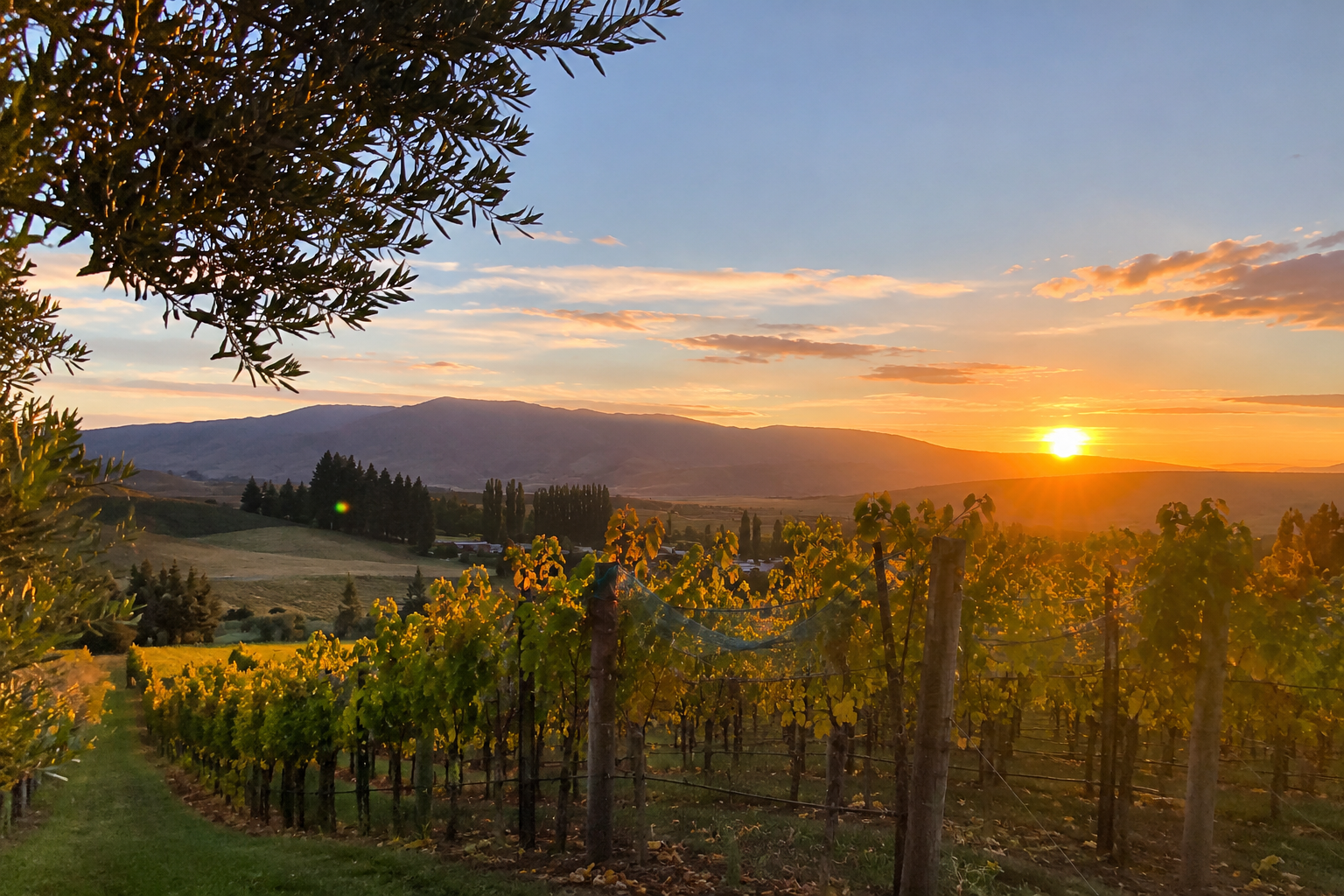
April brings a beautiful transformation to parts of New Zealand.
In the South Island, areas such as Arrowtown, Wānaka and Central Otago become particularly attractive as deciduous trees turn shades of gold, amber and red.
The landscapes can be spectacular, creating wonderful opportunities for photography, leisurely touring and discovering the character of smaller towns.
Temperatures begin to fall, particularly in the evenings, but many days remain suitable for sightseeing and outdoor experiences.
For travellers who appreciate beautiful scenery, distinctive accommodation and a slower pace, April can be a delightful choice.
Central Otago is especially rewarding at this time of year.
Its vineyards, historic settlements and dramatic mountain landscapes offer an entirely different atmosphere from the height of summer.
The autumn colours around Arrowtown are particularly memorable.
Best for: Autumn photography, food and wine, boutique accommodation, scenic drives and relaxed exploration.
Things to consider: Shorter daylight hours, cooler evenings and increasing weather variability. Easter and school holidays can also bring busy periods.
Our perspective: April is a wonderful example of why the best time to visit New Zealand isn't necessarily the warmest time.
By May, New Zealand is moving towards winter.
The days are shorter, temperatures are cooler and many popular destinations feel noticeably quieter.
For some travellers, this creates an appealing opportunity to experience the country at a more leisurely pace.
The North Island can be particularly attractive for exploring cultural destinations, geothermal landscapes, food and wine regions and coastal towns.
The South Island offers dramatic scenery, although conditions in alpine areas require more careful planning.
Best for: Quieter touring, cultural experiences, food and wine, and travellers comfortable with cooler weather.
Things to consider: Reduced daylight, colder temperatures and seasonal changes to some activities and accommodation.
Our perspective: May can work beautifully for the right itinerary, but we'd be selective about routes, regions and experiences.
June marks the beginning of winter.
The South Island's mountain landscapes become increasingly dramatic, with snow beginning to transform the alpine scenery.
Queenstown, Wānaka and the surrounding mountain regions start preparing for the winter sports season, although ski-field opening dates depend on conditions.
Elsewhere, the country offers a quieter and often atmospheric travel experience.
In the North Island, geothermal destinations such as Rotorua can be particularly enjoyable during the cooler months.
Best for: Alpine scenery, winter landscapes, geothermal experiences and quieter travel.
Things to consider: Cold conditions, shorter days, mountain-road restrictions and weather-dependent activities.
Our perspective: June is best approached as a distinct winter holiday rather than a summer itinerary undertaken at a different time of year.
July is firmly within New Zealand's winter season.
For travellers interested in skiing, snowboarding and alpine landscapes, this can be an exciting time to visit.
Queenstown and Wānaka are particularly popular winter destinations, offering access to ski areas alongside excellent accommodation, dining and other experiences.
The contrast between snow-covered mountains and the deep blue lakes of the South Island can be extraordinary.
However, winter conditions require thoughtful planning, particularly for anyone considering a self-drive holiday.
Best for: Skiing, winter sports, alpine scenery and luxury mountain escapes.
Things to consider: Snow and ice, weather-related travel disruption and busy periods around winter school holidays.
Our perspective: July can be spectacular, but the itinerary should be designed around winter conditions from the outset.
August continues the winter season, particularly in the alpine regions.
Snow sports remain a major attraction, while some lower-altitude destinations begin showing early signs of seasonal change towards the end of the month.
For travellers who enjoy dramatic scenery, excellent accommodation and the atmosphere of winter, August can be rewarding.
It's also a good reminder that New Zealand's different regions can offer contrasting experiences.
While the mountains are covered in snow, northern destinations may experience comparatively mild daytime conditions.
Best for: Winter sports, mountain landscapes and carefully planned regional itineraries.
Things to consider: Variable weather, cold nights and the need for flexibility around outdoor activities.
Our perspective: The best August holidays are built around experiences that genuinely benefit from the winter season.

September marks the beginning of spring.
As temperatures gradually rise, the country begins to change.
Gardens and orchards start flowering, new growth appears across the countryside and waterfalls can be particularly impressive following winter rainfall and snowmelt.
In alpine areas, winter conditions may persist, creating beautiful contrasts between snow-covered mountains and greener valleys.
Spring weather can be unpredictable, but for travellers who appreciate nature and changing landscapes, September offers plenty of interest.
Best for: Spring scenery, gardens, waterfalls, photography and quieter touring.
Things to consider: Changeable weather, cool temperatures and lingering snow in alpine regions.
Our perspective: September can be especially rewarding for travellers who value scenery and discovery over consistently warm weather.
October is an increasingly attractive month for visiting New Zealand.
Spring is well established in many regions, bringing longer days, fresh landscapes and improving opportunities for outdoor exploration.
Gardens and parks can be particularly beautiful, while the countryside feels vibrant and full of life.
It's a rewarding time to visit destinations such as Christchurch, the Canterbury region, the North Island's cultural attractions and many of the country's scenic touring routes.
However, spring conditions remain variable, particularly in the mountains.
Best for: Spring landscapes, gardens, cultural experiences, scenic touring and photography.
Things to consider: Unpredictable weather, wind and variable conditions for alpine activities.
Our perspective: October is a month where local knowledge can be particularly valuable in choosing the right combination of destinations and experiences.
November is one of the most interesting months for travellers considering an extended New Zealand holiday.
As spring moves towards summer, daylight hours increase and many destinations become increasingly attractive for outdoor experiences.
The landscapes are fresh, the days are longer and the country is preparing for its busiest travel season.
For those interested in self-drive holidays, walking, coastal experiences and exploring both islands, November can offer an excellent balance.
Some mountain areas may still have lingering snow, adding to the visual appeal of the scenery.
Why November Works So Well for Bespoke New Zealand Itineraries
A carefully planned November itinerary can bring together a wide variety of experiences.
You might explore the cultural and geothermal landscapes of the North Island before travelling south to discover mountains, lakes, vineyards and coastal scenery.
The important consideration is choosing routes and activities suited to the conditions.
Best for: Extended itineraries, self-drive holidays, outdoor exploration and spring-to-summer scenery.
Things to consider: Weather can still be unsettled, and popular accommodation begins filling ahead of summer.
Our perspective: November is another month we would strongly consider for clients wanting a comprehensive New Zealand journey without travelling during the busiest summer holiday period.
December brings the return of summer to New Zealand.
Longer days, warmer conditions and a festive atmosphere make it a popular time to visit.
For travellers from the Northern Hemisphere, the prospect of spending Christmas or New Year in the sunshine can be particularly appealing.
Coastal destinations, lakes, national parks and outdoor experiences become increasingly popular.
However, December also marks the beginning of the peak domestic holiday period.
From around Christmas onwards, many popular destinations experience significantly greater demand.
Best for: Summer scenery, beaches, outdoor activities and festive-season travel.
Things to consider: Christmas and New Year availability, peak-season pricing and increased visitor numbers.
Our perspective: Early December can be particularly attractive, while travel over Christmas and New Year requires careful advance planning.
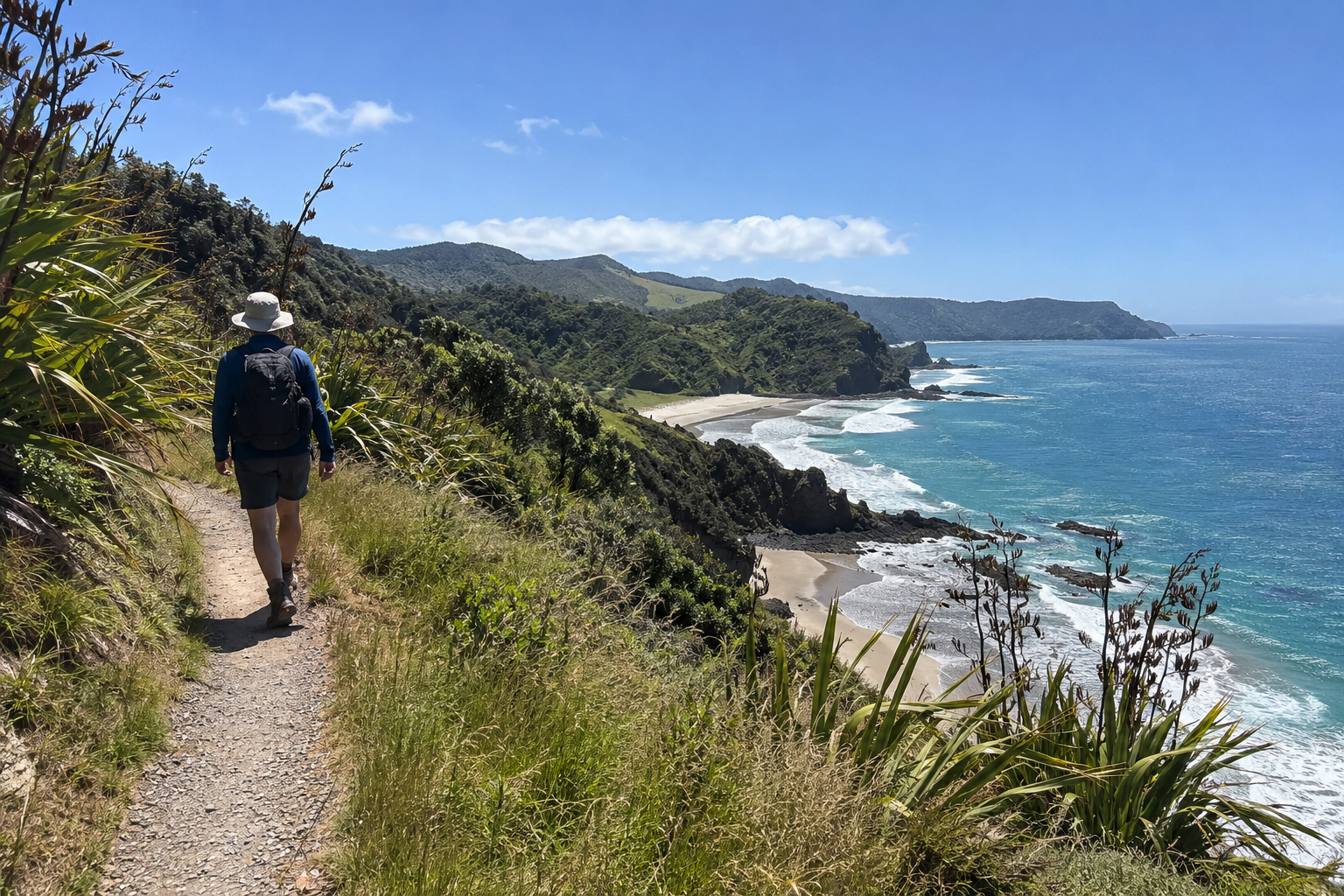
One of the most common mistakes when planning a New Zealand vacation is assuming that the whole country experiences the same weather.
It doesn't.
New Zealand stretches over a considerable distance from north to south, with mountains, coastlines and prevailing weather patterns creating substantial regional differences.
The North Island generally enjoys a milder climate than the South Island, particularly in its northern regions.
Summer is popular for coastal experiences and outdoor activities, while spring and autumn can be excellent for exploring cultural destinations, geothermal attractions and wine regions.
Destinations such as Auckland, Rotorua, Hawke's Bay and the Bay of Islands can offer rewarding experiences across much of the year.
For travellers interested in Māori culture, food and wine, distinctive accommodation and varied scenery, the North Island deserves careful consideration regardless of season.
The South Island is renowned for its dramatic mountains, spectacular lakes, glaciers, fjords and extraordinary natural landscapes.
Summer offers long days and broad opportunities for outdoor exploration.
Autumn brings beautiful colour to parts of Central Otago.
Winter transforms the alpine regions into spectacular snow-covered landscapes.
Spring offers fresh scenery, waterfalls and striking contrasts between green valleys and snowy peaks.
However, mountain conditions can change quickly, and some routes and activities are weather-dependent throughout the year.
The ideal time to visit depends on the experiences you want to prioritise.
For many first-time visitors, exploring both islands is an important part of their New Zealand dream.
And with sufficient time, combining the two can create an exceptionally varied journey.
However, it's important not to underestimate the distances involved.
New Zealand may appear relatively compact on a map, but its winding roads, mountainous terrain and wealth of experiences mean that travelling between destinations often takes longer than expected.
At New Zealand In Depth, we carefully consider driving times, accommodation locations and the experiences that matter most to each client.
Sometimes the right recommendation is to explore both islands.
Sometimes it's to concentrate on fewer regions and enjoy them in greater depth.
The best itinerary is not necessarily the one that covers the most ground.
It's the one that gives you the most rewarding experience.
The ideal month can also depend on what you want to do.
These are planning guidelines rather than fixed rules.
For example, wildlife viewing depends on the particular species, location and seasonal behaviour. Walking conditions vary dramatically between a low-level coastal path and an alpine track.
This is precisely why personalised travel planning is so valuable.
For American travellers, choosing when to visit New Zealand is particularly important.
The journey from the United States is substantial, and many visitors want to make the most of their time once they arrive.
New Zealand's summer offers an appealing escape from the American winter, but that doesn't automatically make December or January the best choice.
Depending on your interests, February, March, April or November may be equally appealing — and sometimes better suited to your preferred style of travel.
If you're travelling from the USA, we'd generally encourage allowing as much time as your circumstances comfortably permit.
Two weeks can provide a rewarding introduction to selected regions.
Three weeks allows greater flexibility to explore both islands, include a wider variety of experiences and travel at a more relaxed pace.
An extended journey of four weeks or longer can open up opportunities to discover lesser-known destinations and spend more time enjoying the places that interest you most.
But the quality of your itinerary matters more than the number of days alone.
A thoughtfully planned two-week holiday can be far more rewarding than a rushed three-week itinerary.
For American visitors, planning a holiday independently can involve considerable research.
There are international flights, regional connections, accommodation, driving routes, experiences and seasonal considerations to coordinate.
And because New Zealand is such a special destination, there's often a desire to include as much as possible.
This is where working with a dedicated New Zealand travel specialist can make an enormous difference.
At New Zealand In Depth, we create custom New Zealand vacations based on each client's interests, preferred pace, available time and travel expectations.
We help you understand not just when to visit, but how to make the most of the season you've chosen.
Although we're based in the United Kingdom, we plan bespoke New Zealand holidays for clients around the world, including an increasing number of travellers from the United States.
There is no single perfect month for every traveller.
A couple dreaming of a leisurely luxury holiday, complete with boutique lodges, vineyards and beautiful scenery, may have very different priorities from someone planning a walking adventure.
A family travelling during school holidays will have different requirements from a recently retired couple with the flexibility to spend several weeks exploring.
And someone passionate about wildlife or photography may find the ideal season quite different from someone seeking warm coastal weather.
At New Zealand In Depth, we believe the right time to travel should be determined by the experiences you want, not simply by the dates that appear in a holiday brochure.
That principle is central to our approach to bespoke travel planning.
We don't begin with a standard itinerary and ask you to fit into it.
We begin by understanding what you want from your visit.
Then we use our first-hand knowledge of New Zealand to recommend the destinations, experiences, accommodation and travel dates that best suit you.
When we plan your holiday, we consider far more than the average temperature.
We think about:
No two New Zealand In Depth holidays are the same.
And because every itinerary is created individually, the time of year becomes an important part of the design process.
One of the greatest pleasures of visiting New Zealand is the freedom to explore.
Its extraordinary scenery, welcoming communities and remarkable variety of experiences make it a wonderful destination for independent travel.
But freedom doesn't mean you should have to organise every detail yourself.
At New Zealand In Depth, we painstakingly plan each journey so that our clients can enjoy the adventure without the burden of managing the arrangements.
Every holiday is supported by our personalised New Zealand Travel Bible, a comprehensive guide containing the important details of your itinerary.
From accommodation information and travel routes to booked experiences, confirmations and useful contacts, the Travel Bible helps bring your journey together.
The aim is simple.
We want you to feel adventurous, independent and completely immersed in New Zealand, while having the reassurance that your holiday has been carefully considered and organised.
It's the freedom of independent travel, supported by the expertise of people who know New Zealand intimately.
If you're looking for a simple starting point, February, March and November are excellent months to consider for a varied New Zealand holiday.
They can offer an attractive combination of seasonal conditions and opportunities for exploration.
April is particularly rewarding for autumn scenery, while December and January appeal to travellers seeking the height of summer.
Winter offers a completely different experience, especially for those drawn to skiing and spectacular alpine landscapes.
But the right answer depends on you.
Your interests.
Your expectations.
Your available time.
And the experiences that will make your journey unforgettable.
That's why we believe the best New Zealand holidays begin with a conversation rather than a brochure.
Planning a holiday to New Zealand is an exciting prospect.
For many people, it's a journey they've dreamed about for years.
Whether you're considering a luxury New Zealand vacation, an extended self-drive adventure, a romantic escape or a carefully curated journey across both islands, we'd love to help you make it extraordinary.
Our approach is entirely personal.
We listen to what matters to you, share our first-hand knowledge of New Zealand and create an itinerary that reflects your interests, abilities, preferred pace and travel aspirations.
Every detail is considered.
Every journey is different.
And every holiday is designed around the people taking it.
Because the perfect time to visit New Zealand isn't simply about choosing the right month. It's about creating the right experience.
Start planning your bespoke New Zealand holiday with New Zealand In Depth.
Based in the UK, creating exceptional tailor-made New Zealand holidays and personalised vacations with our first-hand and intimate knowledge of New Zealand for travellers around the world.


+

Far More Than Just a Travel Company: Why New Zealand In Depth Creates Holidays Like No Other


